From Community Input to Community Impact
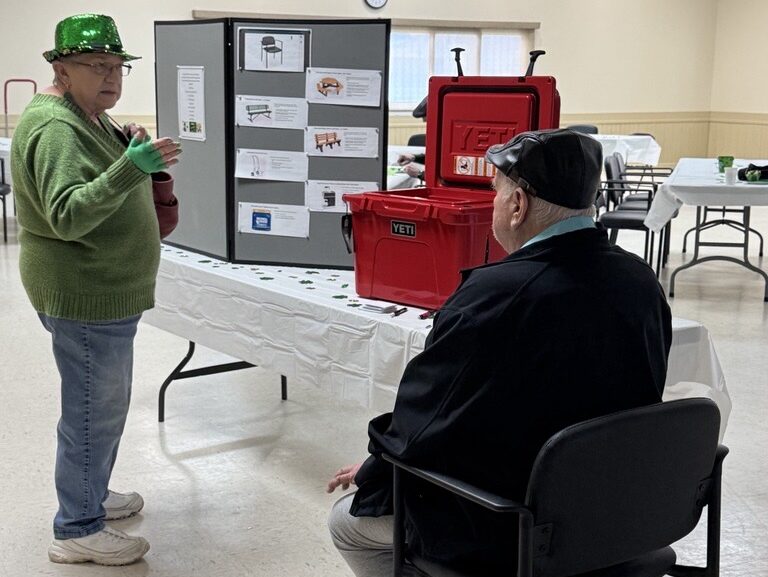
Six communities participated in the latest Age Friendly Communities Program through the Minnesota River Area Agency on Aging and Southwest Initiative Foundation (SWIF), turning community feedback into meaningful action.
The Age Friendly Communities process begins by listening. In each participating community, local leadership teams gathered resident feedback through surveys designed to identify barriers, opportunities, and priorities for aging well in place. The result was a series of projects shaped directly by community members and focused on improving accessibility, safety, social connection, and quality of life.
“We are proud of the strength of these partnerships. Supporting our communities through the voices of our seniors is at the heart of helping Southwest Minnesota thrive,” said Nancy Fasching, SWIF Vice President of Community Impact.
Creating More Welcoming Community Spaces
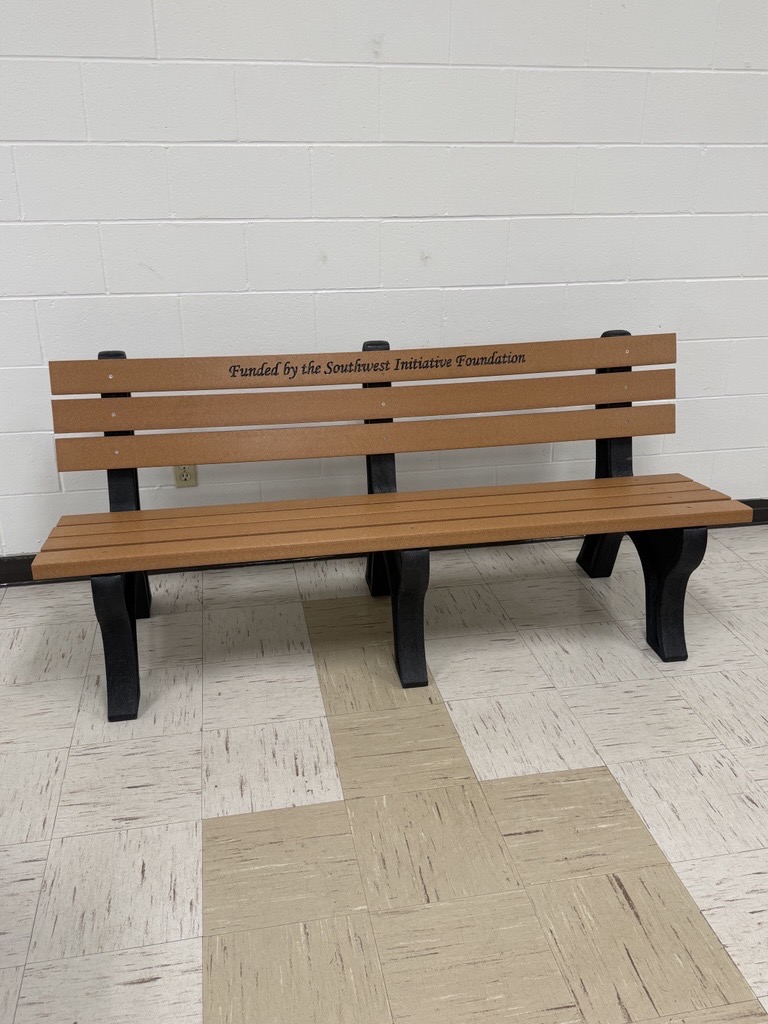
In Atwater, residents emphasized the importance of comfortable gathering spaces and opportunities for social connection. In response, the community purchased accessible chairs with armrests for the community center, a commercial coffee maker to support large events, and new benches and a picnic table for local parks. The improvements make it easier for older adults to participate in meals, programs, and community events while creating welcoming outdoor spaces for neighbors, friends, and families to gather.
Walnut Grove focused on improving accessibility and comfort. An ADA-compliant entrance door was installed at the city hall and community center, making the building more accessible for residents and visitors with mobility challenges. New park benches encourage residents to spend more time outdoors, rest comfortably, and enjoy greater social connection in public spaces.
Improving Safety and Access
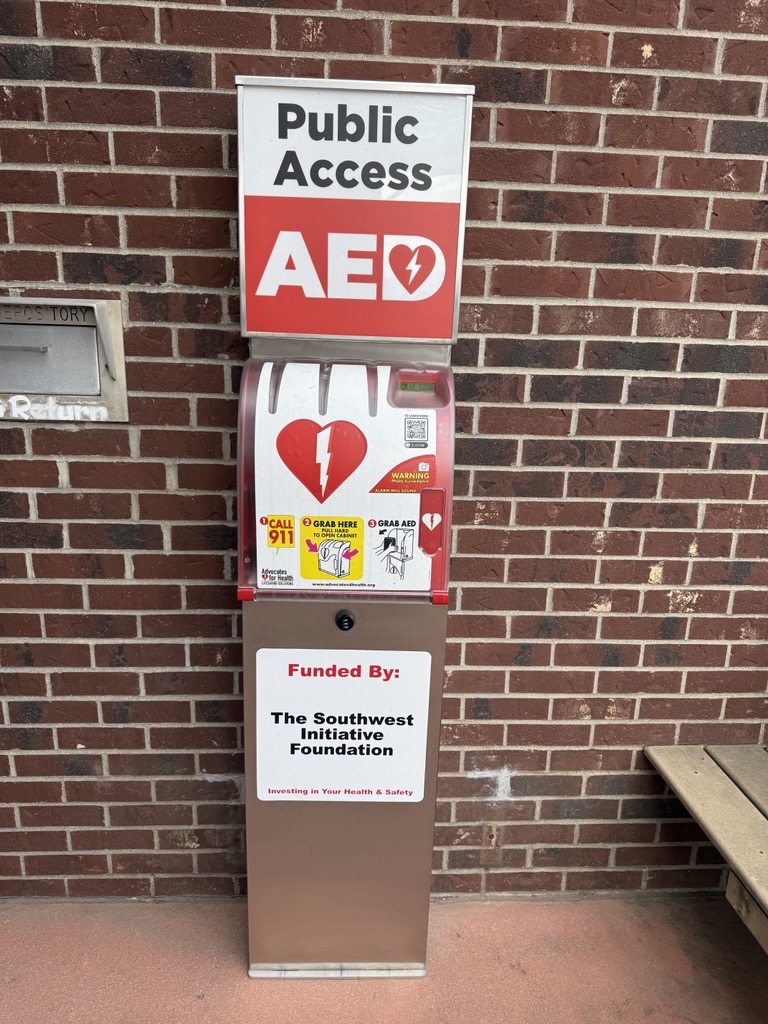
In Grove City, survey results highlighted the importance of safety. The community installed a publicly accessible indoor-outdoor automated external defibrillator (AED) outside the Community Center, ensuring lifesaving equipment is available around the clock. A new bench along the walking trail at Tadd Lake provides a place for residents to rest and enjoy the outdoors. The city also incorporated AED education into its community celebration, helping residents build confidence in responding during emergencies.
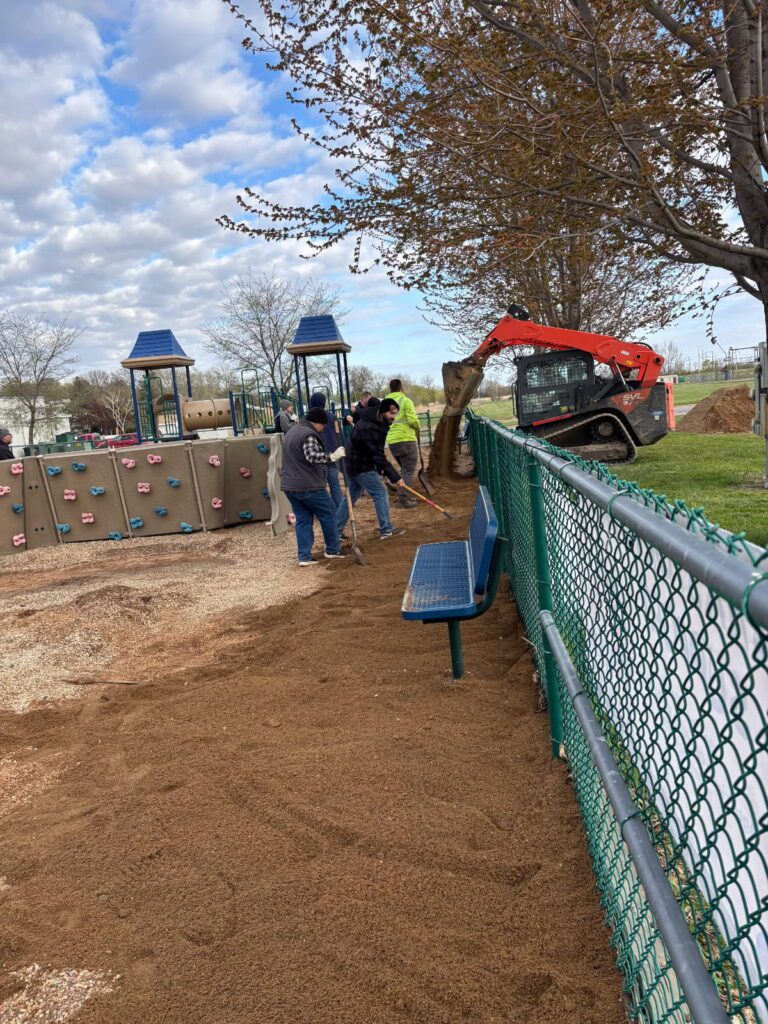
Ortonville improved accessibility at Lakeside Park through the installation of a rubberized walking path. Developed with significant volunteer support, the path creates a safer, smoother route for older adults, individuals using wheelchairs or walkers, and families with young children. The project reflects a community commitment to ensuring everyone can enjoy the recreational opportunities and natural beauty surrounding Big Stone Lake.
Projects Still Building Momentum
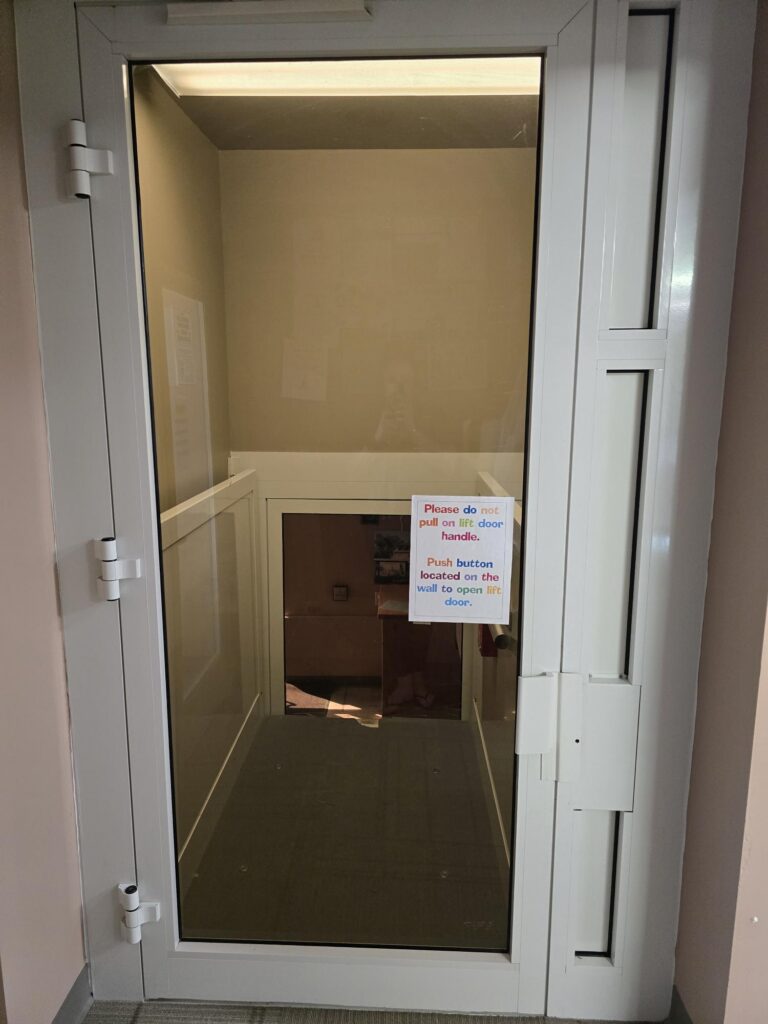
In Heron Lake, community members identified needs related to accessibility, safety, and communication. Through partnerships and local donations, the community is installing an ADA-compliant post office door, repairing the public library lift, adding a drive-up utility payment box, and launching a local livestream channel that will provide information on current events, emergencies, and community programming. Together, these improvements will help residents access services more easily while strengthening community connections.
Meanwhile, Luverne is addressing a different challenge: access to information. Community feedback revealed that many residents struggle to find services and resources that support aging well. In response, local partners are creating a centralized resource system that includes both digital and print guides, along with educational opportunities to help older adults navigate the information. A planned Health and Resource Fair will connect residents directly with local organizations and support services.
A Movement that Continues to Grow
With these six communities, Age Friendly Communities has now reached 31 places across our region. It continues to demonstrate the power of community-driven solutions. Whether it’s a safer walking path, an accessible doorway, a public AED, or a new way to connect residents with resources, these projects show how listening to local voices can create communities where people of all ages can live, participate, and belong.