Resilient communities need new volunteers to keep good ideas going
When it comes to the tiny town of Porter, you need a reason to be there otherwise “you’re not liable to know where it is.”
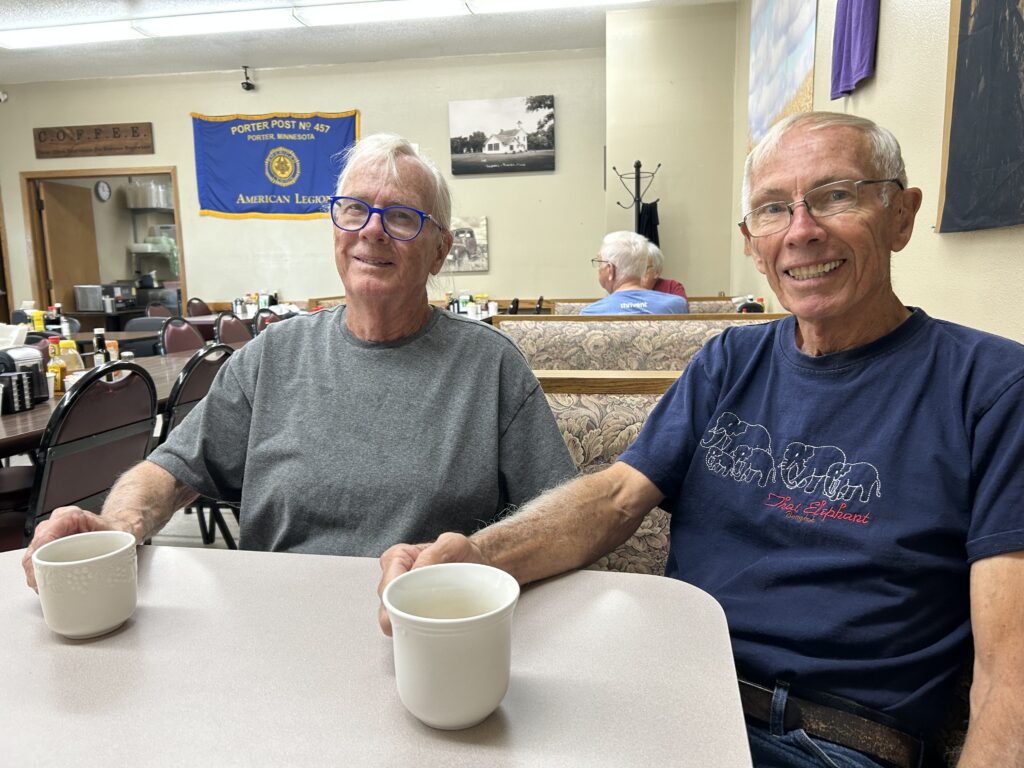
That’s how Dan Dybsetter describes the hamlet of 162 people that sits on the border of Yellow Medicine and Lincoln counties. Porter has been home for Dan’s whole life, except college and serving a draft tour in Vietnam.
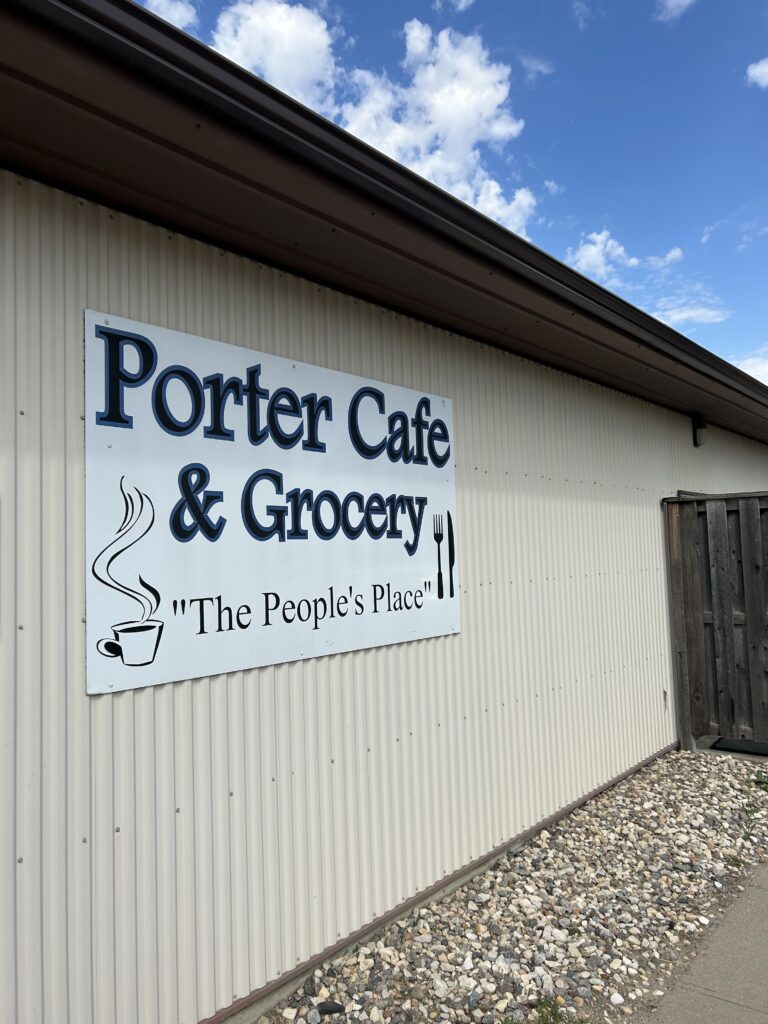
Nestled in the center of town is the Porter Cafe. It’s been serving hot meals and friendly hellos since it opened in 1988.
Dan was part of the group that founded the cafe. The building and all its fixtures are owned and maintained by the nonprofit Porter Development Company. A manager rents the building at a subsidized rate and runs the restaurant. It offers congregate senior dining and a place to meet and greet neighbors.
While the cafe is absolutely a success story, it’s a gritty one.
“It has been a struggle every year all the way, but it’s still going,” Dan said.
Creative problem solving
To set the scene, it was the early ‘80s. Porter’s last cafe and its grocery store had closed. Residents were restless for somewhere to gather and connect, not to mention get a loaf of bread.
A group of five people, including Dan, started brainstorming. Drawing on examples from other small towns they visited including Cyrus and Holloway, they decided to build a cafe for the community, then find someone to run it.
Concept in hand, they approached the brand-new Southwest Minnesota Initiative Fund, what would become Southwest Initiative Foundation. The fund’s office was in the Volstead House at Granite Falls at the time, and the five board members from Porter traveled the short distance to request grant funds for their idea. That first attempt failed. Back at the drawing board, Dan narrowed his request.
“We focused on the senior citizens, older folks in the community who didn’t drive much or a lot. What we’d like to have is a place they could gather,” Dan said.
The revised request was “To build a facility to house a community meeting room, a convenience grocery store and small cafe, as these services are not available and many of the senior citizens do not have transportation to access services elsewhere.”
SWIF granted $15,000 to the project. Along with a grant from what was then the Otto Bremer Foundation, donations from all the local civic groups, and gifts from going door-to-door, Porter Cafe was on its way from idea to reality.
By the work of their hands
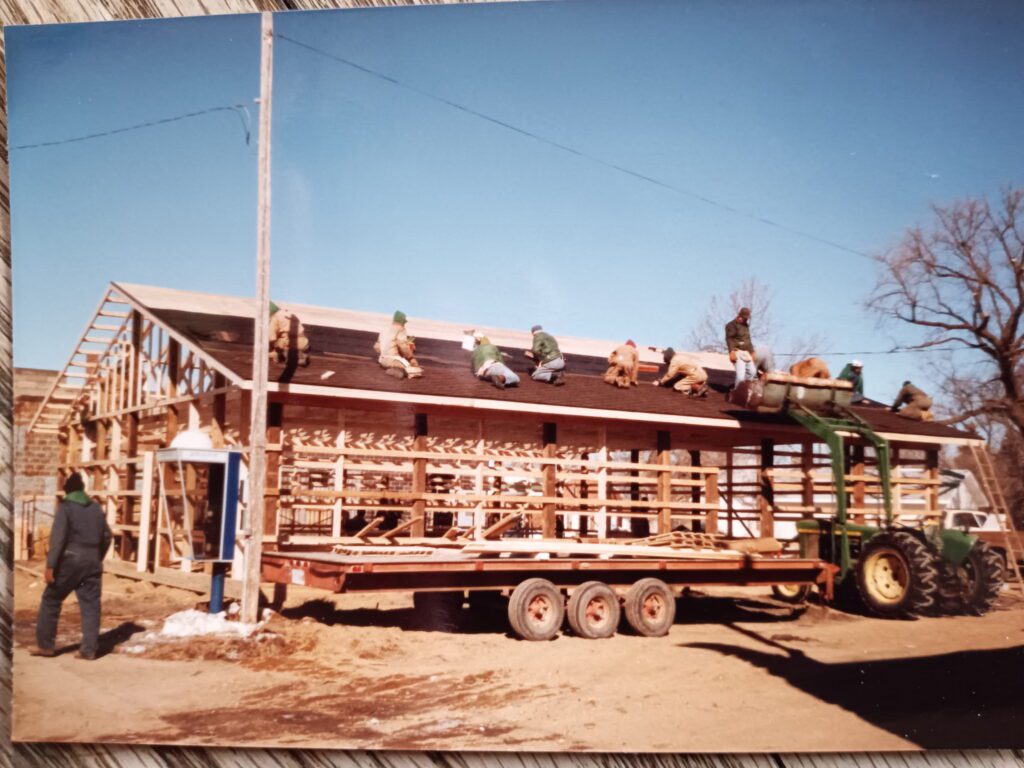
The city of Porter donated the property for the new cafe building. One of the community members did some drafting, so he drew a basic design. The local electrician did wiring for the cost of materials. And there was a carpenter in the group, too.
“We didn’t spend much money on labor. We had people come in and help,” Dan said. “It’s literally a pole building. We know how to build pole buildings: It’s a bunch of farmers. Our goal from day one was to get a building built so it wasn’t going to require tons of maintenance.”
With the space finished, the nonprofit bought everything needed to run a restaurant business: a range for the kitchen, sinks, dishes, tables, chairs. Then they went in search of someone to run the business.
Several people were interested in running the Porter Cafe. It was a big lift, because the manager must come up with the capital to buy the inventory. The original cafe included a grocery store, which meant even more items to stock.
“We’ve had a lot of people come in and think they’re going to make a lot of money because they’re in business for themselves. They quickly learned Econ 101,” Dan said. “We had several different people try it and didn’t work out.”
There have been a couple decade-long managers in the cafe’s history. Current manager Doug Coil has been running the cafe since 2023.
A menu for everyone + meals for seniors
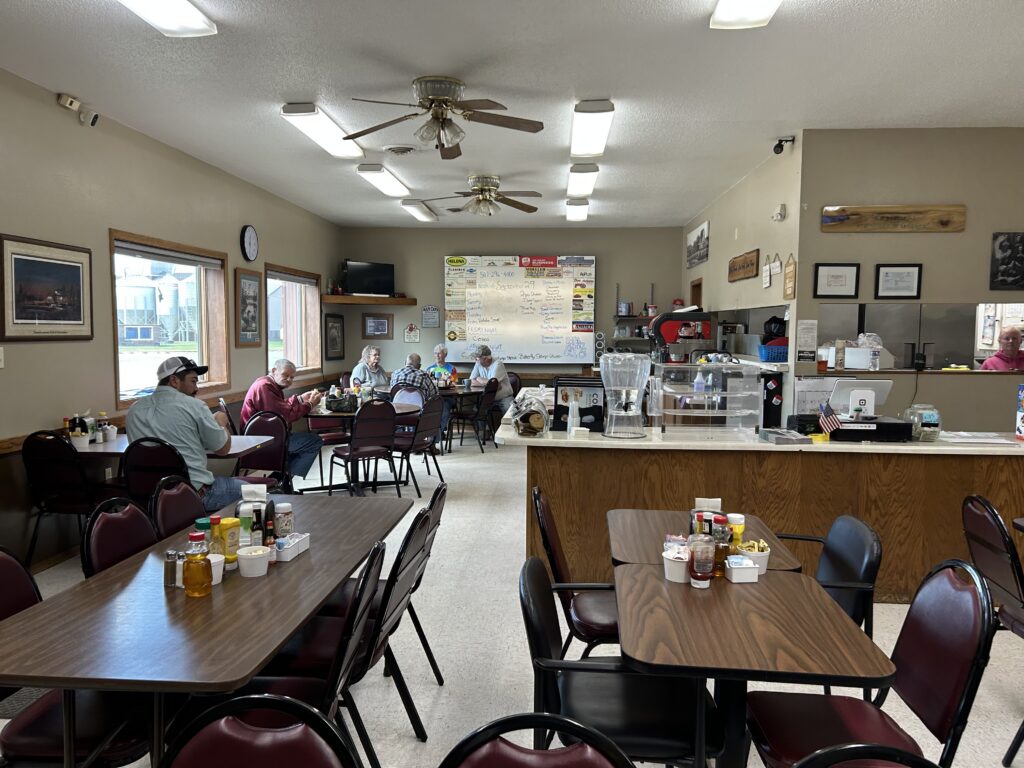
At the Porter Cafe, food arrives at the table on vintage patterned plates, and coffee comes in mismatched mugs. The menu is full of staples for the meat-and-potatoes crowd: beef stew, pulled pork, burgers, chicken pot pie, scalloped potatoes and ham, just to name a few. And no cafe would be complete without pie and soup.
While the grocery store is no longer part of the business, the senior dining option that helped launch the cafe in the first place remains. It’s part of the Senior Nutrition Program that includes dining sites for older adults and home-delivered meals in communities throughout Minnesota.

People age 60 or older can participate in the Senior Nutrition Program, and their spouses can also participate, even if they are under 60. Prairie Five Community Action oversees the site in Porter.
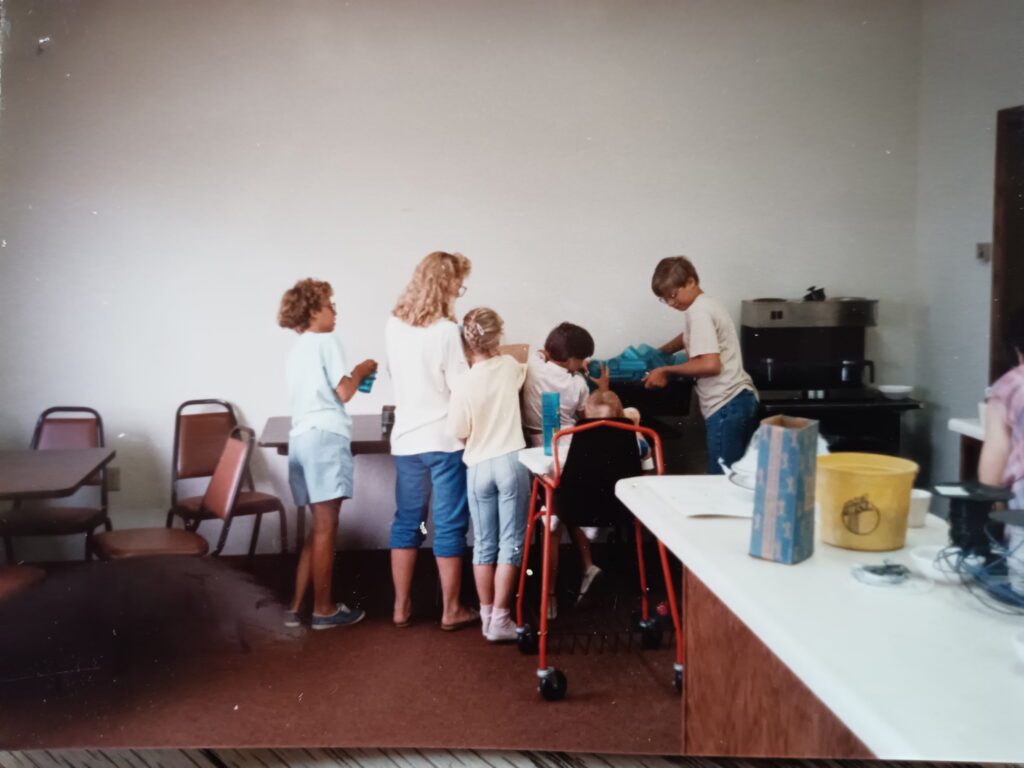
“When this started, they all would come and were served in the back room. There would be 10 or 15 people that were there, with cars lined up on Main Street. That’s one of the things that really helped us,” Dan said.
In Lincoln County alone, 24 percent of the population is 65 or better. As part of the Age Friendly Communities project through SWIF, the cafe added a covered entrance to improve access.
What the future holds
When Porter Cafe got up and running all those years ago, Dan remembers thinking 5 or 10 years in business would be a success. By that measure, the group has more than succeeded.
“When we think about resilient communities, the Porter Cafe is such a strong example,” said SWIF President Scott Marquardt. “The volunteers are perpetuating a sense of community by continuing to show up, even through the challenges. Being willing to try new things, learn new things, and give it everything they’ve got has kept the doors open over the years.”
Keeping things running includes fundraising and an annual meeting for the nonprofit Porter Development Company. Recruiting new board members and engaging new donors has proved challenging. On occasion, board members have put up personal money for urgent repairs or other needs.
“This has always been there, so the younger generation takes it for granted. When we have a meeting every year, we get hardly anyone coming to the meeting. Going forward that will probably be an issue,” Dan said. “The few times that the business has been closed, there’s not a car on the street in town. If you don’t have a car on the street when you go through town, you don’t have much of a community anymore.”
Dan’s brother, Dave Dybsetter, recently finished 10 years of volunteer board service for the cafe’s nonprofit. Dave chose a different path from Dan, taking his speech communication degree from Southwest Minnesota State University and heading to Minneapolis to start a career. But Dave’s path led him back to Porter eventually. He’s now largely retired but helps his nephew and brother run the Dybsetter family farm.
Dave believes firmly in community, and in the commitment it takes to maintain. When he was a school board member, he missed only three meetings in more than 12 years.
“I think everybody should take their turn. It won’t always be here unless people continue to work toward it,” Dave said. “I think if you’re going to be part of a community, you need to be involved in it.”
“These are the kind of places that keep your community alive. You can’t discover that after it’s gone because once it’s gone you can’t get it back. That’s why we’ve worked so hard to keep this going,” Dave said.
40th Fun Fact
The Southwest Minnesota Initiative Fund, the original name for SWIF, distributed grants totaling over $300,000 and loans totaling over $180,000 in its first year. As of our last annual report, we’ve distributed $62.5 million in loans and $58.7 million in grants.
We’re turning 40 this year! We’ll be hosting celebrations and sharing stories throughout the year.